
Beyond Medical Insurance: cri Expands Access to Year-Round Workforce Wellbeing
Beyond Medical Insurance: cri Expands Access to Year-Round Workforce Wellbeing
Through onsite initiatives and online sessions, cri’s value-added wellness support helps organisations complement employee benefits with more accessible preventive healthcare, health education and ongoing wellbeing engagement.
Medical insurance has traditionally been designed to respond when an employee needs treatment. However, organisations are increasingly looking beyond this reactive model to consider how their employee benefits programmes can encourage earlier engagement with health, improve awareness of common risks and make professional support easier to access.
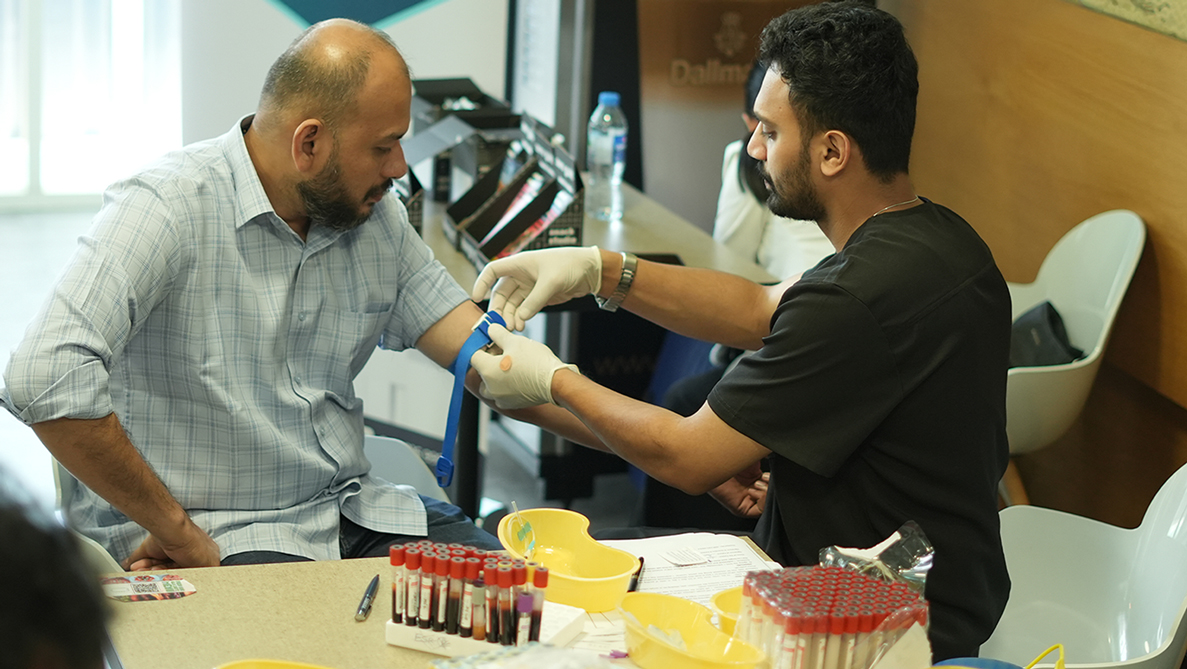
cri is helping organisations make this transition by integrating corporate wellness solutions into its broader employee benefits and group medical insurance offering. Each year, cri coordinates approximately 250+ employee wellness events across client workforces, delivered through a combination of onsite programmes and online sessions.
These initiatives are intended to bring preventive healthcare and practical health education closer to employees within the workplace, through virtual channels and, where appropriate, through coordinated access to healthcare and wellness service providers.
Supporting different dimensions of workforce health
cri’s employee wellness programmes can address a range of physical, mental and lifestyle-related health priorities.
Depending on an organisation’s requirements, initiatives may include general health screenings, blood glucose and blood-pressure checks, BMI assessments, optical screenings and general practitioner consultations. Other available programmes can focus on nutrition, physical activity, sleep health, bone and joint health, seasonal flu vaccination, heat awareness and education around conditions such as breast cancer and men’s health.
Mental wellbeing can also form part of the programme through stress-management sessions, mindfulness education and access to psychological support where available. For employees managing longer-term conditions, chronic disease support may help encourage timely check-ups, greater awareness and more consistent engagement with appropriate care.
The availability and scope of individual services vary according to workforce needs, location, provider availability and the agreed programme structure. Where relevant, selected health initiatives may also be made available to employees’ family members.
Designed around each workforce
Workplace wellbeing is not a uniform requirement. Health priorities can differ according to employee demographics, working environments, seasonal conditions and the organisation’s wider people strategy.
cri works with HR and benefits teams to develop customisable wellness calendars aligned with these factors. Programmes can combine scheduled onsite activities with online education, enabling organisations to reach employees across offices, operational locations and different working arrangements.
This flexibility also allows corporate wellness programmes in the UAE to respond to relevant seasonal and workforce considerations from heat awareness during warmer months and vaccination campaigns ahead of flu season to ongoing education around nutrition, mental wellbeing and chronic health conditions.
Rather than presenting isolated activities, the objective is to create a more structured pattern of health engagement across the year.
Connecting insurance with preventive support
Wellness initiatives do not replace medical insurance or professional clinical care. They complement them.
When employees understand the support available to them and have practical opportunities to engage with it, they may be better positioned to ask informed questions, recognise potential concerns and access appropriate professional guidance. Preventive screenings can support earlier identification of possible health risks, while education sessions can improve awareness of behaviours that influence long-term wellbeing.
This creates a more connected employee benefits experience: one that combines financial protection through group medical insurance with opportunities for ongoing health awareness and engagement.
Building a more visible culture of care
Structured workplace wellbeing programmes can also contribute to how employees experience their organisation. Providing accessible health education and preventive support can demonstrate that employee wellbeing is being addressed as a continuing organisational priority rather than an occasional campaign.
Over time, this may contribute to greater health awareness, stronger engagement and a more supportive workplace culture. It can also complement broader strategies around workforce resilience, talent retention and organisational performance without assuming that any single activity will deliver a guaranteed clinical or financial outcome.
cri’s delivery of approximately 250+ wellness events annually reflect its expanding role beyond conventional insurance intermediation. By connecting insurance advisory, preventive health engagement and coordinated wellbeing support, cri is developing a broader approach to workforce risk and employee benefits.